

AI face transformation workspace
在线图片工作台
小脸制造机
为戏仿风格图像编辑生成小脸效果。
小脸风格变换
一张原始照片和一个风格参考
支持 JPG、PNG 或 WEBP,最大 8MB
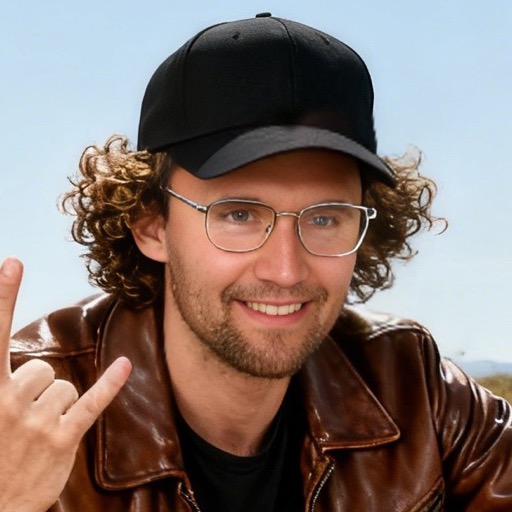
自定义脸部(可选)
当前使用内置小脸风格参考图。
生成并检查
下载或分享前,请先检查预览结果。
生成结果
请先检查生成图片,再按需下载;如果你准备公开分享,建议附带必要说明。
正在准备请求...
把你的照片拖到这里开始变换
产品范围
faceswap 能做什么,也不能做什么
编辑器会把内置小脸戏仿参考或获准的自定义参考脸应用到一张静态图片中最明显的人脸。它不会生成真实照片,不能精确选择合照中的第几张脸,也不是 Charlie Kirk 的官方网站、合作方或获认可项目。
一种明确的变换
当前流程一次接收一张静态图片,并把内置戏仿风格或可选的获准自定义参考脸应用到最明显的人脸。
已知输入限制
支持不超过 8MB 的 JPG、PNG 和 WEBP。人脸拥挤、模糊、阴影严重或遮挡较多时,结果可能不可靠。
戏仿作品,不是证据
每个结果都是 AI 编辑图片。在可能误导观看者的情境中应明确标注,不得把结果当作真实事件或认可关系的证明。
上传前准备
获得更好结果前的三项检查
当原图中的人脸容易识别时,模型通常表现更稳定。以下检查可以减少常见失败。
使用清晰均匀的光线
避免严重阴影、运动模糊,以及被手、头发或配饰大面积遮挡的人脸。
保持五官可辨识
正面或轻微侧面的肖像效果更稳定,眼睛、鼻子和嘴部应尽量完整可见。
负责任地使用图片
仅上传你有权使用的图片,检查生成结果,并在可能引起误解时明确标注为 AI 编辑或戏仿内容。
使用流程
一个清晰的处理流程
准备一张可用原图,执行既定变换,再检查编辑结果是否值得保留。
准备并上传
使用你有权编辑、且只有一张清晰人脸的图片。支持不超过 8MB 的 JPG、PNG 和 WEBP。
生成一个结果
系统识别最明显的人脸并应用内置戏仿参考。处理时间和输出质量可能变化。
检查、标注并下载
检查眼睛、嘴部、下颌、发际线和背景。只有在结果明显属于有意的 AI 戏仿时才下载或分享。
示例图库
编辑器实际会生成什么
通过示例判断预期戏仿风格、困难原图可能出现的问题,以及结果是否足够清晰、适合分享。
 Example 01
单人肖像示例:光线均衡
展示清晰光线与居中构图下的常见输出效果。
 Example 02
截图输入示例:对比度较高
展示截图类输入在边缘与颜色上的输出表现。
 Example 03
多人合照示例
多人照片示例,用于说明裁剪到单个目标人脸可以提高结果可预测性。
 Example 04
近景示例
展示近景输入下的细节保留与风格边界。
 Example 05
户外场景示例
用于观察不同自然光条件下的输出差异。
 Example 06
侧脸角度示例
用于展示侧向角度输入时的可预期变化范围。
经审阅的指南
根据实际任务选择指南
编辑内容现在集中到少量持续维护的核心指南:准备原图、排查可见问题、了解数据处理和负责任地分享。
How to Label a Charlie Kirk Face Swap Before You Share It
Use a practical caption and context checklist for a Charlie Kirk face swap so viewers can recognize an AI-edited parody without mistaking it for a real event or endorsement.

How to Spot an AI Face Swap: A Verification Checklist
Learn how to evaluate a suspected AI face swap using source checks, visual artifacts, provenance, and context without trusting one clue or detector score.
Kirkified Meme Examples: Photo Patterns That Work and Fail
Compare Kirkified meme example types, including reaction images, portraits, group photos, screenshots, low-light selfies, and illustrations.
AI 换脸与 Deepfake 有什么区别?
比较静态换脸、Deepfake、滤镜、融合和普通合成,避免夸大技术或法律边界。
AI 换脸如何检测、对齐、生成并融合面部
用非数学方式解释人脸检测、关键点对齐、身份条件生成、蒙版融合和人工复核。
Charlie Kirk Face PNG: How to Make a Transparent Cutout
Create a Charlie Kirk face PNG with a transparent background from a reviewed parody edit, clean edge halos, and export the right alpha settings.
Charlie Kirk Tiny Face and Small Face Meme: An Editing Guide
Understand the Charlie Kirk tiny-face meme style, how it differs from a normal face swap, and how source photos change the final parody edit.
How to Make a Charlie Kirk Face Swap: Step-by-Step Photo Guide
Learn how to put the Charlie Kirk tiny-face style on a picture, choose a strong source photo, inspect the AI edit, and disclose parody clearly.
换脸图片用什么格式:JPEG、PNG、WebP 与压缩指南
为换脸输入选择正确格式,避免重复压缩,保留真实细节,并在需要时移除敏感照片元数据。
换脸伪影排查指南:眼睛、发际线、下颌、嘴部与肤色
按区域诊断失败的换脸结果,找到最可能的输入问题,并通过一次只改变一个变量来有效修复。
多人照片如何换脸:目标选择、裁剪与多脸识别问题
了解何时应该裁剪多人照片、如何隔离目标人物,以及脸部重叠或大小不一为何会导致不可预测的换脸结果。
换脸照片质量评分表:上传前先给图片打分
在消耗积分前,从人脸尺寸、角度、光线、遮挡和参考图匹配度五方面判断一张照片是否适合 AI 换脸。

AI 换脸过程中照片经历了什么?上传、PiAPI、存储与删除
了解 faceswap 从浏览器上传、对象存储、PiAPI 处理、任务记录、结果交付到删除请求的真实数据路径。
常见问题
产品与安全问题
直接说明当前编辑器、支持的输入、输出限制、独立性和负责任分享方式。